Snark RE Clip-On Tuner
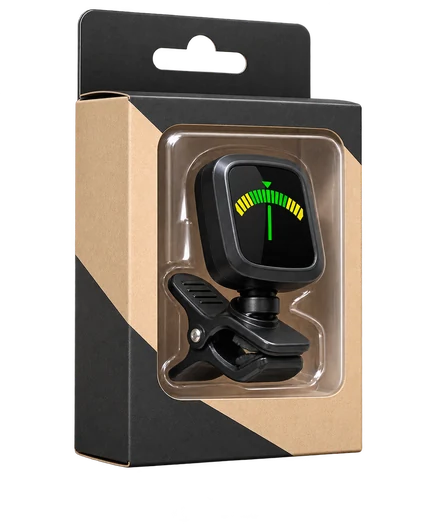
A clip-on tuner that reads vibration from the guitar, handy for quick tuning at home or in a noisy room.
View on Amazon · paid linkThree inexpensive accessories make practice easier: a clip-on tuner, fresh strings and a capo. Here is what each does and what to look for.
As an Amazon Associate I earn from qualifying purchases. Product links on this page are paid links. If you buy through one, I may earn a commission at no extra cost to you. Images are generic illustrations; check each listing for exact details.
A clip-on tuner attaches to the headstock and senses vibration through the wood rather than listening through a microphone. That makes it reliable in noisy rooms, at jam sessions and on stage, where a microphone tuner struggles. Look for a clear display you can read from playing position, a swivel mount, and chromatic mode so it works in any tuning.
If you mostly practise at home in a quiet room, our free online tuner may be all you need.
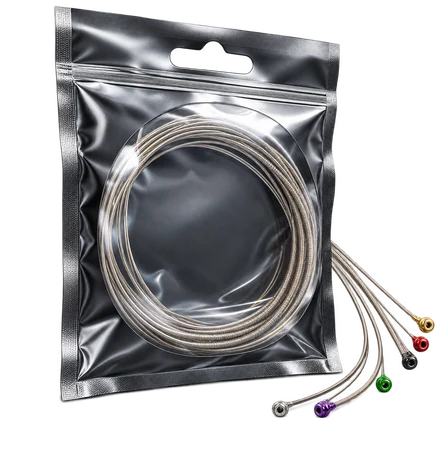
String sets are named by the gauge of the thinnest and thickest strings in thousandths of an inch. A 10–46 set has a .010 high E and a .046 low E and is the most common choice for electric guitar. Lighter sets such as 9–42 are easier to bend and press; heavier sets such as 11–49 sound fuller and suit lower tunings. Acoustic guitars use different, heavier sets.
| Electric set | Feel | Good for |
|---|---|---|
| 9–42 | Light, easy bends | Beginners, lead playing |
| 10–46 | Balanced | Most styles in standard tuning |
| 11–49 | Firmer, fuller tone | Heavy picking, half step down |
| 12–56 and up | Heavy | Drop C and lower tunings |
Change strings when they look dull or discoloured, feel rough, or will not stay in tune. Many players change every one to three months. New strings stretch, so expect to retune often for the first day. Our guide how to change guitar strings walks through it step by step.
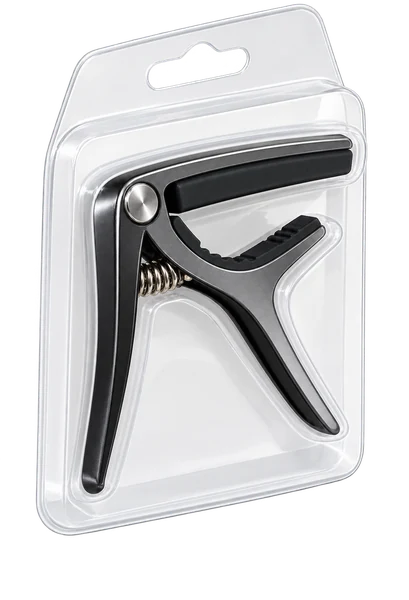
A capo clamps across the strings at a fret and raises every open string by that many semitones. It lets you play a song in a higher key, to suit a singer, while using the open chord shapes you already know. Spring-clamp capos are quickest to move between songs; screw-adjustable ones let you set the pressure exactly. Make sure the capo matches your neck: curved for most steel-string guitars, flat for classical guitars.
Place the capo just behind the fret, not on top of it, and retune if notes go sharp. The capo guide includes a chart of what each shape sounds like at each fret.
A clip-on tuner that reads vibration from the guitar, handy for quick tuning at home or in a noisy room.
View on Amazon · paid linkA compact chromatic tuner that clips to the headstock and senses vibration, useful when a microphone tuner struggles in a noisy room.
View on Amazon · paid linkA popular .010–.046 nickel-wound electric guitar string set. New strings may need stretching and retuning.
View on Amazon · paid linkA .010–.046 electric-guitar string set. Compare gauges for the feel and setup you prefer.
View on Amazon · paid linkA clamp-style capo shown with a set of colorful picks for changing keys while keeping familiar chord shapes.
View on Amazon · paid linkA spring-clamp capo for quickly changing keys while keeping familiar chord shapes and fingerings.
View on Amazon · paid linkNot necessarily. The online tuner works well in a quiet room. A clip-on is handy when there is background noise or when your phone is busy with something else.
A 9–42 or 10–46 set. Lighter strings are easier on the fingertips while you build calluses.
They are common, well-known accessories that suit everyday practice. We do not accept payment for placement, and the tools and guides on this site work without buying anything.